



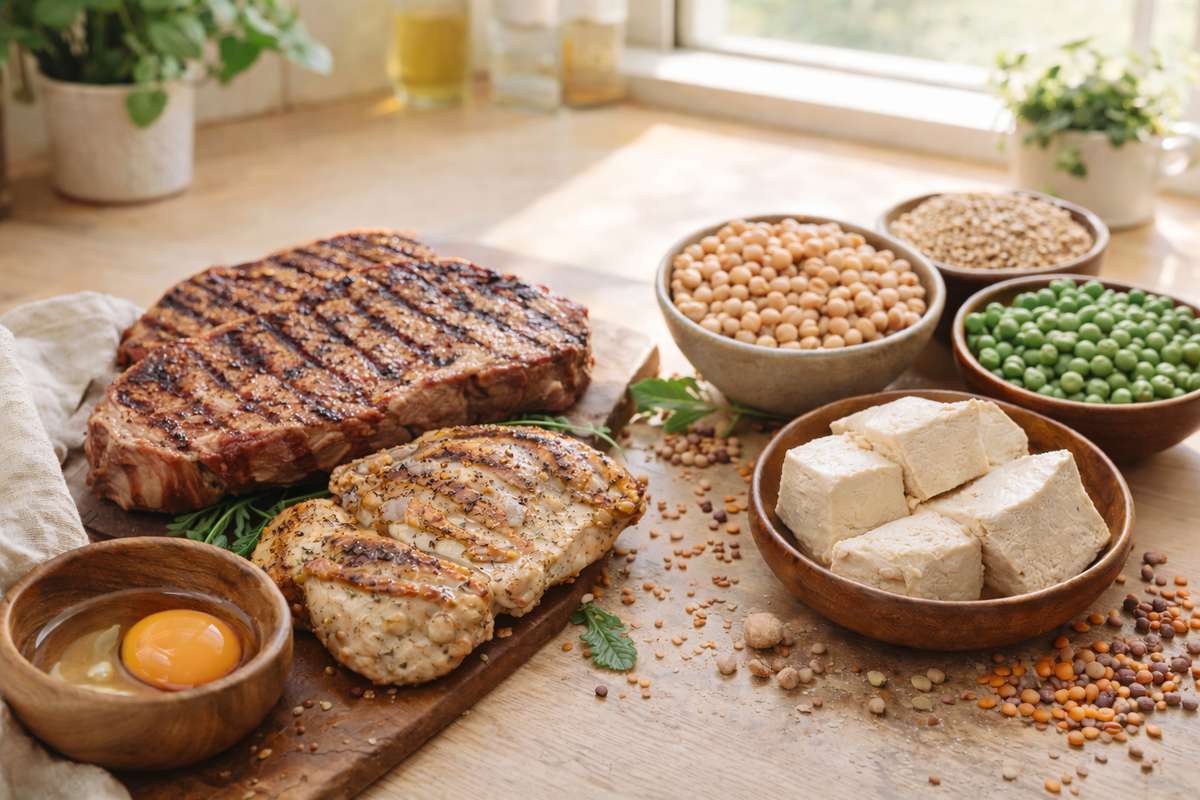
Why Balance Beats Extremes
Protein has long been associated with strength, fitness, and muscle growth. But in recent years, longevity research has added an important nuance to the conversation: protein is essential - yet how much you consume and where it comes from may influence how you age.
This has sparked debate around high-protein diets, particularly those dominated by animal protein. Are they supporting long-term health or potentially accelerating aging?
Let’s look at what the science actually says.
Protein Is Essential - For Every Cell in Your Body
Protein is not just about muscles. Every cell in your body relies on it.
It plays a critical role in:
-
Enzyme production
-
Hormone regulation
-
Immune signaling
-
Tissue repair and regeneration
-
Maintaining muscle mass and metabolic health
Unlike carbohydrates or fat, your body cannot store protein efficiently, which means regular intake is essential for maintaining normal physiological function.
The question isn’t whether protein is important - it’s how much and what kind best supports long-term health.
Protein Activates Growth Pathways — Which Can Be a Double-Edged Sword
When you consume protein, especially in larger amounts, it activates key growth pathways in the body, most notably mTOR (mechanistic target of rapamycin) and IGF-1 (insulin-like growth factor 1).
These pathways are:
-
Essential for muscle growth
-
Necessary for recovery and repair
-
Beneficial during development and after exercise
However, longevity research suggests that chronic, long-term overactivation of these pathways may accelerate aging processes by:
-
Reducing cellular repair mechanisms
-
Increasing inflammation
-
Promoting age-related diseases
In other words:
Growth is necessary, constant growth is not.
Why High Animal Protein Intake Raises Longevity Concerns
Multiple studies have shown that animal protein tends to:
-
Increase IGF-1 levels more strongly than plant protein
-
Be consumed without fiber or protective phytonutrients
-
Come alongside higher saturated fat intake
Observational research links high animal protein consumption, particularly in midlife, to:
-
Higher all-cause mortality
-
Increased risk of cardiovascular disease
-
Higher cancer-related mortality
Importantly, these risks are not seen to the same extent with plant protein.
This doesn’t mean animal protein is inherently harmful but it does suggest that quantity, frequency, and balance matter, especially over decades.
Plant Protein Supports Longevity Differently
Plant-based protein sources tend to:
-
Activate growth pathways more moderately
-
Improve insulin sensitivity
-
Reduce systemic inflammation
-
Support gut health through fiber and polyphenols
Large population studies show that replacing even part of animal protein with plant protein is associated with:
-
Lower mortality risk
-
Better metabolic markers
-
Improved long-term health outcomes
This is one reason plant-forward diets consistently rank among the healthiest patterns for longevity.
Protein Still Matters — Especially as We Age
While excessive protein intake may pose risks, too little protein is equally problematic, particularly with aging.
Low protein intake is associated with:
-
Sarcopenia (loss of muscle mass)
-
Frailty
-
Reduced mobility and independence
-
Slower recovery from illness
Experts now agree that older adults need more protein, not less, to preserve muscle, strength, and metabolic health.
The goal is not restriction — it’s optimization.
The Longevity Sweet Spot: Enough, But Not Excessive
Current evidence suggests an optimal intake of:
-
~1.2–1.6 g protein per kg of body weight for most healthy, active adults
-
Slightly higher needs during aging, illness, or recovery
-
A strong emphasis on plant-based and mixed protein sources
This approach supports:
-
Muscle maintenance
-
Metabolic health
-
Lower inflammation
-
Healthier aging trajectories
Longevity isn’t about extremes like zero protein or carnivore diets — it’s about balance, consistency, and quality.
Where Plant-Based Protein Supplements Fit In
Modern lifestyles make it difficult for many people to meet optimal protein targets consistently without overeating calories or relying heavily on animal sources.
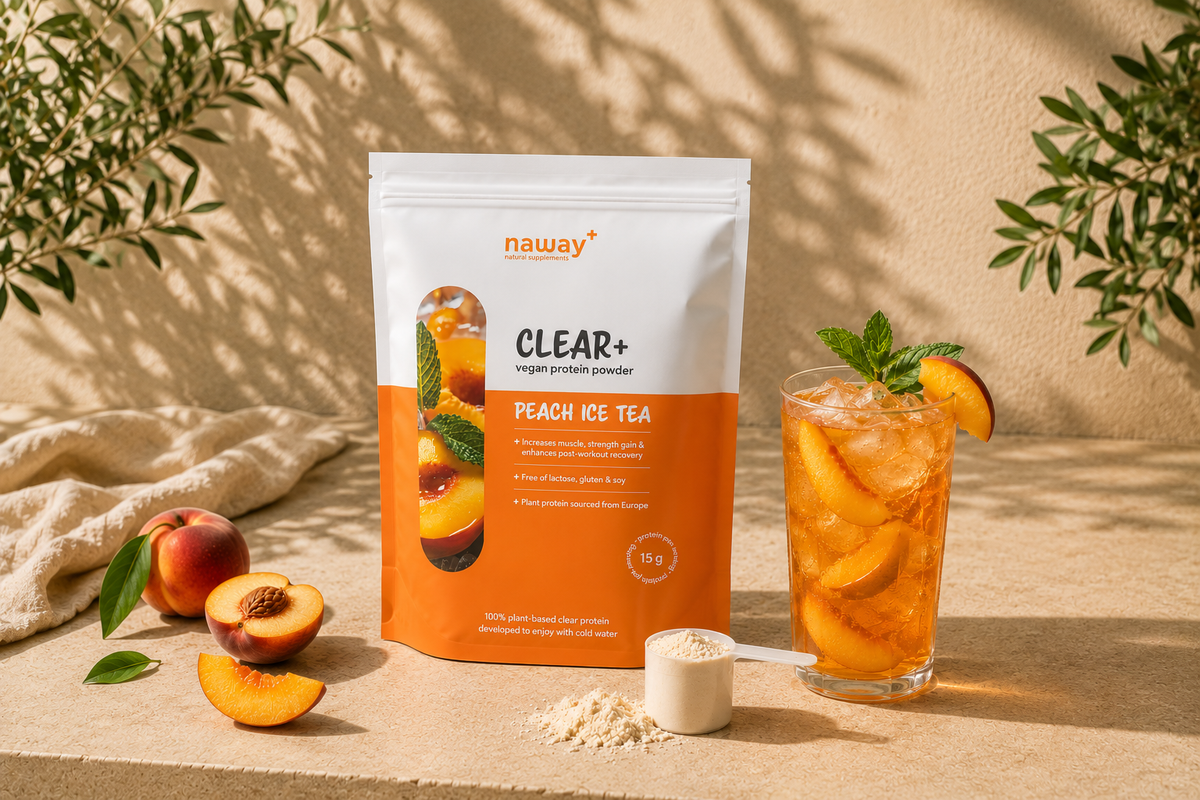
High-quality plant-based protein powders can help:
-
Bridge daily protein gaps
-
Support muscle maintenance
-
Reduce reliance on animal protein
-
Fit into longevity-focused nutrition strategies
When formulated properly, plant proteins offer a digestible, sustainable, and longevity-aligned option without overstimulating growth pathways.
The Takeaway
Protein is not the enemy of longevity.
Imbalance is.
Long-term health is supported by:
-
Adequate — not excessive — protein intake
-
Emphasizing plant-based sources
-
Supporting muscle without chronic metabolic stress
-
Choosing consistency over extremes
Strength and longevity are not opposing goals — when protein intake is approached thoughtfully, they go hand in hand.
References (Scientific Sources)
-
Levine, M. E., et al. (2014).
Low protein intake is associated with a major reduction in IGF-1, cancer, and overall mortality in the 65 and younger but not older population.
Cell Metabolism
https://pubmed.ncbi.nlm.nih.gov/24606898/
-
Fontana, L., & Partridge, L. (2015).
Promoting health and longevity through diet: from model organisms to humans.
Cell
https://pubmed.ncbi.nlm.nih.gov/25639782/
-
Song, M., et al. (2016).
Association of animal and plant protein intake with all-cause and cause-specific mortality.
JAMA Internal Medicine
https://pubmed.ncbi.nlm.nih.gov/27479196/
-
Bauer, J., et al. (2013).
Evidence-based recommendations for optimal dietary protein intake in older people.
Journal of the American Medical Directors Association (PROT-AGE Study Group)
https://pubmed.ncbi.nlm.nih.gov/23867520/
-
Pasiakos, S. M., et al. (2015).
Dietary protein and muscle health.
Current Opinion in Clinical Nutrition & Metabolic Care
https://pubmed.ncbi.nlm.nih.gov/26049707/



Share:
The Sunshine Vitamin: Why Vitamin D is Crucial for Your Health
Why is everyone talking about Protein Coffee?